
Our Location
304 North Cardinal St.
Dorchester Center, MA 02124


There are many types of products. Please send an email to the website customer service email to obtain the electronic catalog: ray@runningroup.com
There are many types of products. Please send an email to the website customer service email to obtain the electronic catalog: ray@runningroup.com
Ceramic tiles are a durable, aesthetic, and highly versatile material widely used in residential, commercial, and industrial settings. Composed of natural clay, minerals, and water, they are fired at high temperatures to achieve strength and resistance. Below is a comprehensive overview of ceramic tiles, including their types, uses, and advantages.
Porcelain Tiles:
Made from refined clay and fired at ultra-high temperatures, porcelain tiles are dense, waterproof, and frost-resistant. Ideal for both indoor and outdoor applications.
Glazed Ceramic Tiles:
Coated with a glass-like glaze for enhanced color, pattern, and stain resistance. Commonly used for walls, countertops, and decorative accents.
Quarry Tiles:
Unglazed, natural clay tiles with a rustic appearance. Known for slip resistance, often used in kitchens, patios, and high-traffic areas.
Mosaic Tiles:
Small tiles (e.g., glass, stone, or ceramic) arranged in sheets. Perfect for intricate designs, backsplashes, and curved surfaces.
Terracotta Tiles:
Natural clay tiles with a warm, earthy tone. Popular in Mediterranean-style interiors and outdoor spaces.
Flooring:
Ceramic tiles are a top choice for floors due to their durability, easy maintenance, and resistance to scratches and moisture. Ideal for bathrooms, kitchens, and entryways.
Wall Cladding:
Used to protect walls from moisture and stains in bathrooms, kitchens, and swimming pools. Glossy finishes add a modern touch.
Countertops & Backsplashes:
Heat- and stain-resistant tiles (e.g., porcelain) are perfect for kitchen countertops and backsplashes.
Outdoor Use:
Frost-resistant porcelain or quarry tiles suit patios, walkways, and pool decks.
Commercial Spaces:
Hospitals, hotels, and offices use ceramic tiles for hygiene, fire resistance, and long-term cost efficiency.
Durability: Resistant to wear, water, and temperature fluctuations.
Low Maintenance: Easy to clean with non-porous surfaces.
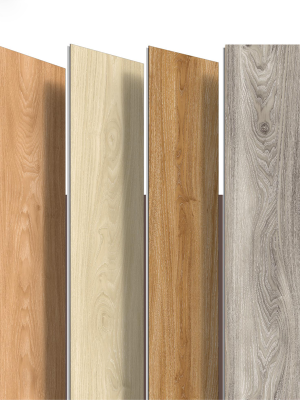
Design Flexibility: Available in countless colors, patterns (e.g., wood, stone, geometric), and sizes (10x10cm to 120x120cm).
Eco-Friendly: Made from natural materials, recyclable, and energy-efficient to produce.
Cost-Effective: Long lifespan reduces replacement costs.
Large-Format Tiles: Minimalist aesthetics with fewer grout lines.
Textured Finishes: 3D patterns or matte surfaces for tactile appeal.
Nature-Inspired Designs: Marble, terrazzo, or wood-look tiles.
Bold Colors & Geometrics: Hexagons, arabesque shapes, or vibrant hues for statement walls.
Ensure a flat, clean substrate.
Use waterproof adhesives and grouts in wet areas.
Consider slip-resistant tiles for outdoor or high-moisture zones.
Ceramic tiles combine practicality and artistry, making them a timeless choice for architects, designers, and homeowners. Whether for functional durability or creative expression, they adapt seamlessly to any space. For specialized needs (e.g., high-traffic areas or extreme climates), consult with tile experts to select the optimal type and finish.

Reviews
There are no reviews yet.